
Treatment for Mold Allergies in Fort Worth & Southlake, TX
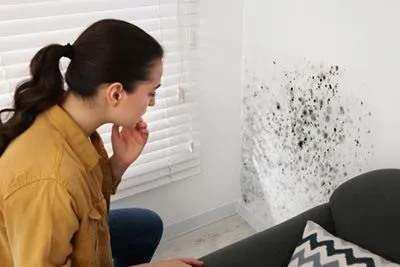
Mold allergies can cause a range of uncomfortable symptoms, from sneezing and congestion to itchy eyes and even asthma flare-ups. Mold spores are common in both indoor and outdoor environments, making it difficult to avoid exposure. At Advanced Allergy & Asthma Associates, with locations in Fort Worth and Southlake, TX, Dr. Vaidya, Dr. Galicia, and Dr. Reddy provide expert care to help patients identify and manage mold allergies, improving their quality of life.
What Causes Mold Allergies?
Mold allergies occur when your immune system overreacts to mold spores in the air. Common types of mold that trigger allergies include Alternaria, Aspergillus, Cladosporium, and Penicillium. These molds thrive in damp, humid environments such as bathrooms, basements, and outdoor areas with decaying leaves or grass. When mold spores are inhaled, they can cause symptoms like sneezing, nasal congestion, coughing, itchy eyes, and throat irritation. For individuals with asthma, mold exposure can also lead to more severe respiratory symptoms, including wheezing and difficulty breathing.
Diagnosing Mold Allergies
If you suspect you have a mold allergy, it’s important to seek a proper diagnosis. At Advanced Allergy & Asthma Associates, our team uses skin or blood tests to identify specific mold allergens that may be causing your symptoms. Understanding your triggers is the first step in creating an effective treatment plan.
Managing Mold Allergies
Managing mold allergies involves a combination of reducing exposure and treating symptoms. To minimize mold in your home, keep humidity levels below 50%, use a dehumidifier, and clean areas prone to moisture, such as bathrooms and kitchens, regularly. Fixing leaks and ensuring proper ventilation can also help prevent mold growth.
Treatment options for mold allergies include antihistamines, nasal sprays, and allergy shots (immunotherapy). Immunotherapy is particularly effective for long-term relief, as it helps your immune system become less sensitive to mold allergens over time. Whether you’re dealing with mild symptoms or more severe reactions, the team at Allergy & Asthma Associates are here to to help you find relief.