
Indoor Allergies: Why Symptoms Often Get Worse in Fall and Winter
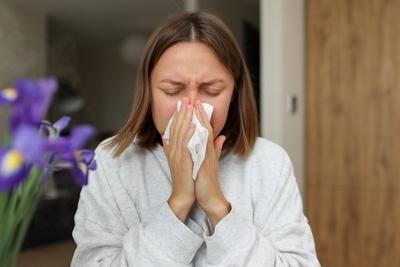
Indoor Allergies: Why Symptoms Often Get Worse in Fall and Winter
As temperatures drop and families spend more time indoors, allergy symptoms often become harder to ignore. Unlike seasonal pollen allergies that peak in spring and summer, indoor allergies persist year-round and tend to worsen during fall and winter when windows stay closed and heating systems circulate dust and other irritants. Understanding the triggers and knowing how to manage them is key to staying comfortable through the colder months.
Common Indoor Allergy Triggers
Dust mites remain one of the most common culprits. They thrive in warm, humid areas such as bedding, carpets, and upholstered furniture. Pet dander is another frequent trigger, especially when homes are sealed tightly against the cold. Mold spores may also accumulate indoors, particularly in bathrooms, basements, or rooms with poor ventilation. In some households, cockroach droppings can silently contribute to flare-ups as well.
Recognizing Symptoms
Indoor allergy symptoms mirror those caused by outdoor allergens but usually last much longer. Sneezing, congestion, a runny nose, itchy or watery eyes, and coughing are typical signs. Because these overlap with colds or sinus infections, patients often don’t realize allergies are the underlying cause. The key difference is duration: viral illnesses clear within days, while allergy symptoms can persist for weeks or even months.
How to Reduce Exposure
Managing indoor allergies begins with limiting exposure at home. Wash sheets weekly in hot water to reduce dust mites. Use a dehumidifier in damp rooms to prevent mold, and vacuum frequently with a HEPA-filter vacuum. Keeping pets out of bedrooms and bathing them regularly can lower dander levels. Changing air filters on schedule and using an air purifier may further improve indoor air quality.
Treatment Options
When lifestyle changes aren’t enough, medications can help. Over-the-counter antihistamines and nasal corticosteroid sprays provide symptom relief for many patients. For those with moderate to severe allergies, prescription treatments or allergy immunotherapy may offer longer-lasting improvement by training the immune system to respond less aggressively. An allergy specialist can help determine the best plan for each individual.
Finding Relief at Home
Although indoor allergies often worsen during fall and winter, proactive steps can make a major difference. By combining environmental adjustments with the right medical care, patients can create a healthier home and enjoy the colder months with fewer symptoms.
Our Locations
Fort Worth
9433 North Beach Street, Suite 111
Fort Worth, TX 76244
Operating Hours
Fort Worth Location
9:00 am - 4:30 pm
9:00 am - 11:30 am
1:00 pm - 6:30 pm
9:00 am - 4:30 pm
9:00 am - 11:30 am
1:00 pm - 6:30 pm
9:00 am - 12:30 pm
Closed
Closed
Southlake Location
9:00 am - 4:30 pm
9:00 am - 11:30 am
1:00 pm - 6:00 pm
7:30 am - 3:30 pm
9:00 am - 11:30 am
1:00 pm - 6:00 pm
7:30 am - 11:30 am
Closed
Closed